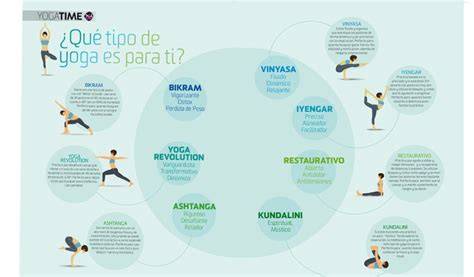
Nuestras ClasesMeditaciónClase enfocada en cultivar una mente estable y ecuánime a través de la distinción entre quien medita y el mundo externo, habilitando la capacidad de gestionar pensamientos y emociones desde la claridad frente a los estímulos.
Preparamos la práctica movilizando la energía vital (prāṇa) por medio de movimientos simples y respiración, para luego sentarnos y desarrollar el trabajo interno.
Yoga NidraNidra es un estado de Sueño Profundo Consciente.
La práctica se realiza recostándose sobre el suelo y siguiendo instrucciones de visualización interna.
Se busca abandonar la consciencia de Vigilia, pasar por el estado de los Sueños, acceder al Dormir Profundo y aun así mantenerse consciente.
Es un estado de gran tranquilidad y claridad.
PrāṇāyāmaClase centrada en la práctica respiratoria a través de ejercicios que buscan desarrollar una respiración profunda y saludable.
Desde la perspectiva del yoga, la respiración es un reflejo del estado mental y una forma de incidir en la energía vital, por lo que, más allá de los beneficios fisiológicos de una buena respiración, esta práctica también mejora la calidad de vida en estos aspectos.
Aṣṭāṅga MysoreCada estudiante aprende y practica de manera individual en un contexto grupal secuencias tradicionales y de síntesis de Aṣṭāṅga Vinyāsa Yoga, caracterizadas por una refinada coordinación entre postura, movimiento y respiración, junto con sellos musculares/energéticos internos y enfoques visuales específicos.
La secuencia de cada practicante es personalizada de acuerdo a sus necesidades, pudiendo ser fluida, intensa, estática, restaurativa o meditativa según sea el objetivo.
Haṭha YogaTrabajamos en base al método de Vinyāsa Krama, que implica un ordenamiento progresivo de las técnicas, enfatizando la organización del movimiento y la postura sobre una respiración profunda, para así establecer un esfuerzo fluido que se traduzca en la concentración y estabilización de la energía vital.
Aṣṭāṅga GuiadoPráctica guiada de la Primera Serie de Aṣṭāṅga Vinyāsa Yoga (Yoga Cikitsa). práctica de yoga. asanas cada vez más desafiantes.
Yoga Pre y Post NatalLas clases de yoga prenatal y postparto están diseñadas para apoyar a las mujeres durante y después del embarazo.
El yoga prenatal fortalece el cuerpo, mejora la flexibilidad y alivia molestias, mientras prepara para el parto con técnicas de respiración y relajación.
El yoga postparto ayuda a recuperar fuerza, flexibilidad y mejorar la postura, enfocándose en el fortalecimiento del core y la recuperación del suelo pélvico.
Los huéspedes del cómodo Aparthotel Quays Himalayan Katmandú, de 3 estrellas, pueden visitar la Plaza Durbar de Katmandú, enclavada a tan solo 1 km.
Enclavado a unos cuantos pasos de la Estupa Kathesimbu, este aparthotel está dotado de un restaurante vegano que sirve cocina vegana.
Este hotel goza de una ubicación privilegiada a tan solo 13 minutos a pie de la Calle de los Hippies de Katmandú, mientras que lugares de interés natural como el Jardín de los Sueños están a tan solo 12 minutos a pie.
El Templo Swayambhunath está ubicado a unos 2 km del Aparthotel Quays Himalayan Katmandú, y el aeropuerto Internacional Tribhuvan de Katmandu está a 5 km.
Esta propiedad cómoda está enclavada al alcance de las Rutas de Ascenso a la Montaña, en Katmandú.
La parada de autobús más cercana es Micro to Banyitar, a unos 10 minutos a pie.
Si te alojas en una de las 11 habitaciones del Aparthotel Quays Himalayan, tendrás acceso a una cocina totalmente equipada.
Dispone de aire acondicionado para mayor comodidad de los huéspedes.
El hotel ofrece alojamiento con vistas a la ciudad.
El establecimiento está dotado de un desayuno vegano.
Los huéspedes están invitados a deleitarse con las delicias culinarias en el restaurante del hotel, VEgan REstaurant.
Comprueba las atracciones y restaurantes seleccionados cerca del hotel
Habitaciones Si te alojas en una de las 11 habitaciones del Aparthotel Quays Himalayan, tendrás acceso a una cocina totalmente equipada.
Dispone de aire acondicionado para mayor comodidad de los huéspedes.
El hotel ofrece alojamiento con vistas a la ciudad.
Aún no hay reseñas:( Sí te alojaste en este hotel, por favor, comparte tu experiencia con nosotros
Preguntas más frecuentes El Aparthotel Quays Himalayan está a tan solo 15 minutos a pie del centro de la ciudad.
El aeropuerto más próximo es el Internacional Tribhuvan de Katmandu, a 5 km del Aparthotel Quays Himalayan.
Los precios de las habitaciones en El Aparthotel Quays Himalayan comienzan a partir de 20 $. El aparthotel de Katmandú dispone de varias facilidades spa, como un jacuzzi y una sauna.
¿Cuándo te vas de viaje? Introduce las fechas y te mostraremos las habitaciones disponibles al mejor precio directo.
Gracias por suscribirte Cerrar Thank you! Tu mensaje ha sido enviado Oops!
Usamos las cookies para ofrecerte la mejor experiencia en nuestra página web.
Rama is one of the Sanskrit names of God we often find in the namasankirtanas chanted on the Siddha Yoga path.
For celebrations and satsangs the name of Lord Rama is called upon to invoke divine grace, to grant protection, and to open our hearts to the experience of love that is intrinsic to the Lord.
Having grown up in Delhi, India, my earliest childhood memory of Lord Rama was hearing his name everywhere I went and in almost every conversation.
People used Lord Rama’s name as a greeting, as a quick salutation between passersby, in moments of jubilation and happiness, and also in times of sadness and despair.
Some would say in Hindi Jai Shri Ram (Hail Shri Ram!) or Jai Siya Ram (Hail Sita and Ram!)
Others said simply, Ram Ram.
Lord Rama was the seventh avatar, or incarnation, of Lord Vishnu, the sustainer of the universe.
Hence, the supreme being manifested in a human form to protect the good, destroy the evil, and re-establish order and righteousness in the world.
The name Rama derives from the Sanskrit root ram which means “calm,” “to set at rest,” “to delight,” and also “to make happy.”
Lord Rama is also known as Ramachandra (shining like the moon), Dasharatha-nandan (the delight of King Dasharatha, Rama’s father), and Raghava (hailing from the Raghu dynasty).
Lord Rama is beloved, respected, and adored for the virtues he embodied: dharma, valor, chivalry, loyalty, compassion, love, obedience, courage, and equipoise.
The great Sanskrit epic poem Ramayana (The Journey of Rama), written by the sage Valmiki, narrates the life of Lord Rama.
Valmiki’s Ramayana was written in Sanskrit, the traditional scriptural language of India.
In the sixteenth century the poet-saint Goswami Tulsidas retold the life of Lord Rama in the Avadhi dialect, a local vernacular in Uttar Pradesh, India, to make the story accessible to the layperson.
Rama was the crown prince of Ayodhya, but was exiled because King Dashrath’s youngest queen wanted her own son to be crowned king.
Thus Rama roamed through forests accompanied by his wife, Sita, and his brother Lakshmana.
For fourteen years, he lived a simple life, providing protection and relief to ascetics who were being harassed and persecuted by demons.
Rama’s culminating deed was to vanquish the demon king Ravana, who had kidnapped Sita and taken her to the kingdom of Lanka, an island off the southern coast of India.
The personification of evil, Ravana was the very opposite of dharma.
In this exploit, Rama was assisted by Hanuman, the commander of an army of monkeys.
Hanuman, who became a great devotee of Rama, was the epitome of service and loyalty, ever willing to go to any length to fight for righteousness alongside his Lord.
Upon saving his wife and completing his years of exile, Lord Rama and company returned to Ayodhya where, amidst great jubilation, Rama was crowned king.
Ram Navami, held on the 9th day of the new moon of the Indian month of Chaitra, which corresponds with March or April of the Gregorian calendar, honors Lord Rama’s birthday.
Dassera-the tenth day of the Indian month of Ashvin and just after the Navaratri festival, celebrated around September and October-marks Lord Rama’s victory over Ravana which symbolizes the victory of good over evil.
During Dassera giant effigies of the ten-headed Ravana are filled with firecrackers and erected all over India.
After dark, large crowds gather to behold the spectacle of an actor dressed as Rama shooting an arrow at Ravana.
The effigy goes up in flames amongst the noise of firecrackers and the cheering crowds.
The days leading up to Dassera are also known for the Ramlila, enactments of the Ramayana as a dance drama.
When I was a child, we excitedly awaited this time of the year so that we could watch the various Ramlila productions.
We were mesmerized by the heroic and compassionate acts of Lord Rama.
Deepavali, the “Festival of Lights,” twenty days after Dassera, on the fifteenth day of the Indian month of Kartik, marks Lord Rama’s triumphant entry into Ayodhya.
He arrived at night, his way lit by rows of diyas, “ghee lamps.”
Deepavali honors the victory of light over darkness.
On this day, people clean their homes, have a fragrant oil bath in the morning, and wear new clothes.
They prepare all kinds of delicious foods which are then exchanged with friends and neighbors.
An important part of the celebration is lighting and placing the diyas in and around one’s home.
At night people gather outdoors to greet each other and light firecrackers.
I recall my grandmother telling me that the loud noises of the firecrackers were to ward off evil spirits.
Even today, where I live in Montreal, Canada, around the time of these festivals, many of my friends hold an akhanda path, which is an unbroken recitation of the Ram Charita Manas.
During this twenty-four-hour recitation, my friends and I take turns, each reciting a particular section at a particular time.
On the Siddha Yoga path, we chant Lord Rama’s name and are also encouraged to cultivate the divine virtues he exemplified.
I still recall, during my very first visit to Shree Muktananda Ashram in 1989, hearing the Lord’s name Shree Ram, Jay Ram, Jay Jay Ram being chanted in the Annapurna dining hall.
the Siddha Yoga Ashram in Maharashtra, India.