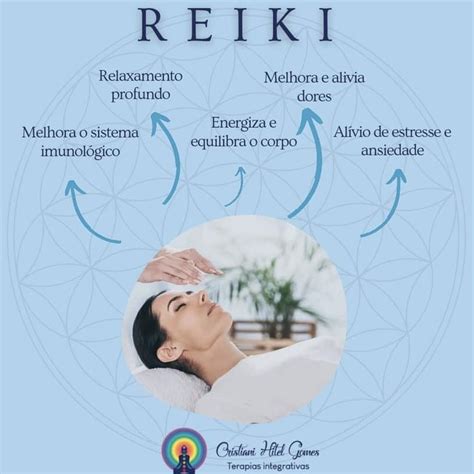
Para algunas personas, los masajes pueden parecer un lujo innecesario. En un estudio reciente, 105 personas con artritis reumatoide (AR) fueron asignadas al azar a uno de tres grupos: ningún tratamiento, masajes manuales o Reiki (una forma de sanación energética utilizada por algunos centros médicos importantes para promover la calma y la sanación en los pacientes).
Los autores del estudio señalan que ambas terapias, además de ser notablemente eficaces, también son simples, no son invasivas y no tienen efectos colaterales. Dicen que los tratamientos deberían incorporarse en los planes de estudio de enfermería y la atención de rutina de los pacientes. El problema es que el sistema de atención médica está sobrecargado, con muy pocos proveedores para muchos pacientes.
La cantidad de enfermeros registrados en los Estados Unidos sufrió una reducción de aproximadamente 100,000, de 2020 a 2021, la mayor disminución en 40 años. Es por eso que un estudio de hace una década del Instituto de Investigación del Tacto de la Universidad de Miami es tan relevante hoy en día. Demostró que los masajes no solo pueden reducir el dolor, sino que también tienen efectos positivos en el sistema inmunitario y son un antídoto eficaz para el insomnio. Y además, la mayoría de estos beneficios pueden obtenerse con automasajes diarios.
Masaje para el antebrazo. Coloque los dedos sobre el antebrazo con el pulgar por debajo. Masaje para las manos. La misma técnica puede usarse en las manos, colocando el pulgar sobre la mano a la altura de la muñeca y el dedo índice debajo. Aplique una presión moderada y tire desde la muñeca y la palma hasta la punta de cada dedo. Aplique un masaje adicional en la unión entre el pulgar y el índice, ya que es un punto de acupuntura importante para fortalecer el sistema inmunitario.
Si últimamente sientes mucho estrés, dolores de cabeza, sufres depresión, estreñimiento o dolores menstruales muy fuertes… Es muy probable que alguien te haya recomendado el Reiki. Y si no, desde EQM lo hacemos. El Reiki es una técnica de canalización y transmisión de energía vital a través de la imposición de manos que sirve para equilibrar los chakras de tu cuerpo. Esta disciplina tiene su origen en 1922 y fue desarrollada por el japonés Mikao Usui. ¿Cómo se aplica el reiki? Existen 12 posiciones de manos que se aplican en todo el cuerpo, desde la cabeza hasta la planta de los pies. El Reiki se puede utilizar para aliviar diferentes situaciones que te provocan malestar o dolor. ¿Te gustaría aprender a sentirte mejor canalizando tu energía? Entonces el Reiki puede ser tu gran aliado. Infórmate sobre las diferentes posibilidades que hay y descubre cuál es la que mejor se adapta a tus necesidades. ¡Ahora con un 15% de descuento en tu primera sesión!
Kim EJ, Lim CY, Lee EY, Lee SD, Kim KS: Comparing the effects of individualized, standard, sham and no acupuncture in the treatment of knee osteoarthritis: a multicenter randomized controlled trial. Trials 2013, 14:129. Many research studies support using acupuncture to treat arthritis. However, critics question the validity of clinical studies supporting acupuncture’s use. Manheimer E, Cheng K, Linde K, et al. Acupuncture for peripheral joint osteoarthritis. Cochrane database of systematic reviews (Online). 2010;(1):CD001977. Sherman KJ, Coeytaux RR. Acupuncture for Improving Chronic Back Pain, Osteoarthritis and Headache. Journal of clinical outcomes management : JCOM. A primary care physician or rheumatologist may be able to recommend a licensed and/or certified acupuncturist. Like acupuncture, Reiki is based on the belief that essential life energy runs through each person, and disruptions in energy flow can cause pain and other problems.
Reiki sessions take 60 and 90 minutes, during which a client lies or sits in a supported and comfortable position. The client remains clothed. The Reiki practitioner positions his or her hands over specific points of the client’s body, attempting to guide essential energy into it. While Reiki is becoming more popular it has not been well researched, and it is not clear whether or not this therapy provides pain relief to arthritis patients. Esta página se tradujo automáticamente y no se garantiza la precisión de la traducción. Los investigadores buscan personas que se ajusten a una determinada descripción, denominada criterio de elegibilidad. El índice de osteoartritis WOMAC, que fue validado y confiable en turco por Tüzün et al. La persona responsable de ingresar información sobre el estudio proporciona voluntariamente estas publicaciones.
Hawker GA, Mian S, Kendzerska T, French M. Measures of adult pain: Visual Analog Scale for Pain (VAS Pain), Numeric Rating Scale for Pain (NRS Pain), McGill Pain Questionnaire (MPQ), Short-Form McGill Pain Questionnaire (SF-MPQ), Chronic Pain Grade Scale (CPGS), Short Form-36 Bodily Pain Scale (SF-36 BPS), and Measure of Intermittent and Constant Osteoarthritis Pain (ICOAP). Arthritis Care Res (Hoboken). 2011 Nov;63 Suppl 11:S240-52. doi: 10.1002/acr.20543. No abstract available. Bannuru RR, Osani MC, Vaysbrot EE, Arden NK, Bennell K, Bierma-Zeinstra SMA, Kraus VB, Lohmander LS, Abbott JH, Bhandari M, Blanco FJ, Espinosa R, Haugen IK, Lin J, Mandl LA, Moilanen E, Nakamura N, Snyder-Mackler L, Trojian T, Underwood M, McAlindon TE. OARSI guidelines for the non-surgical management of knee, hip, and polyarticular osteoarthritis. Osteoarthritis Cartilage. 2019 Nov;27(11):1578-1589. doi: 10.1016/j.joca.2019.06.011. McConnell S, Kolopack P, Davis AM. The Western Ontario andMcMaster Universities Osteoarthritis Index (WOMAC): a review of its utility and measurement properties. Arthritis Rheum. 2001 Oct;45(5):453-61. doi: 10.1002/1529-0131(200110)45:53.0.co;2-w. Tuzun EH, Eker L, Aytar A, Daskapan A, Bayramoglu M. Acceptability, reliability, validity and responsiveness of the Turkish version of WOMAC osteoarthritis index. Osteoarthritis Cartilage. 2005 Jan;13(1):28-33. Notte BB, Fazzini C, Mooney RA. Reiki's effect on patients with total knee arthroplasty: A pilot study. Nursing. 2016 Feb;46(2):17-23. doi: 10.1097/01.NURSE.0000476246.16717.65. Topdemir EA, Saritas S. The effect of Acupressure and Reiki application on Patient's pain and comfort level after laparoscopic cholecystectomy: A randomized controlled trial. Complement Ther Clin Pract. 2021 May;43:101385. doi: 10.1016/j.ctcp.2021.101385. Epub 2021 Apr 2. Estas fechas rastrean el progreso del registro del estudio y los envíos de resultados resumidos a ClinicalTrials.gov. Estudia un producto farmacéutico regulado por la FDA de EE. Estudia un producto de dispositivo regulado por la FDA de EE. Esta información se obtuvo directamente del sitio web clinicaltrials.gov sin cambios. Tan pronto como se implemente un cambio en clinicaltrials.gov, también se actualizará automáticamente en nuestro sitio web. We are grateful to Miss Simpson for this article. Reiki is a form of energy healing derived from the Japanese words ‘rei,’ meaning ‘universal,’ and ‘ki,’ meaning ‘life force energy.’ During a Reiki session, the practitioner channels this energy by placing their hands lightly on or just above the recipient’s body. Life force energy is believed to flow through all living beings, and when this energy is low or blocked, it is thought to contribute to illness or stress. Reiki takes a holistic approach, intended to treat the whole person-mind, body, and spirit-rather than focusing solely on specific symptoms or conditions. Often used alongside conventional medical treatments, Reiki helps manage symptoms and supports overall well-being. 1. Arthritis is often associated with chronic joint pain. Reiki may help alleviate pain by promoting relaxation, reducing muscle tension around the affected joints and improving blood circulation. This relaxation response may also help lower the perception of pain. 2. Reiki is known for its ability to promote deep relaxation, which can reduce stress and anxiety levels. Lowering stress may help reduce the frequency and severity of arthritis flare-ups, as stress exacerbates inflammation. 3. While Reiki doesn’t directly treat osteoporosis, it can support the body’s natural healing processes. 4. Reiki sessions can provide emotional support by helping individuals feel more balanced, calm, and centred. 5. Chronic pain and discomfort from arthritis can interfere with sleep, leading to fatigue and worsening symptoms. 6. By reducing pain and muscle tension, Reiki may help improve mobility and flexibility in individuals with arthritis. Reiki is a gentle, holistic practice that must be experienced to be fully appreciated. It offers well-being by encouraging a healthy flow of energy and promoting healing. While not a cure for specific conditions like osteoporosis or arthritis, Reiki may support overall health by relieving pain, reducing stress, enhancing healing, providing emotional support, improving sleep quality, and potentially increasing mobility.